
Frustrated with contemporary webmarketers’ dangerous misrepresentation of true brand development, digital marketers’ lack of knowledge on true marketing strategy, and finding a place for introducing behind closed doors practice of Brand Engineering to a wider audience, we created the first infographic-based end-to-end (idea to launch) how-to-guide for use with professionals (clients) and students.
Client:
The World
A few times a year, we take time out to teach specialized courses at business and design schools, from NYU Stern and Columbia to Parsons School of Design. Primarily in “cross-over” areas, which we see as our value add, not just “branding”, but brand development and IP protection, or real intellectual property tips and tricks for the future entrepreneur. Essentially, tools for implementing in the real world what advanced students are learning theoretically.
We were surprised that with a consistently highly intelligent audience, was an “educated misunderstanding” of fundamentals, less so, in say brand identity, which is the most easily identifiable and pop-culture friendly aspect of brand dev, but for example, what we’d call brand engineering. And as Xennials (early Millennials, late X’er) we knew this wasn’t a generational gap, but as we probed for the source of education from top students, we were horrified to see what “web marketers” promoted as “branding hacks”, dangerously half-baked misinformation and partial information.

More recently, we spent a year creating curriculum for an eCommerce branding program, a partnership with the SBA and a consortium of successful eCommerce entrepreneurs. We were presented with over 1,000 articles as references, many of those references the same “web marketing experts” we’d been shown by students, and agreed to create a curriculum if they allowed us to use our own writing, models, and sources, which they agreed.
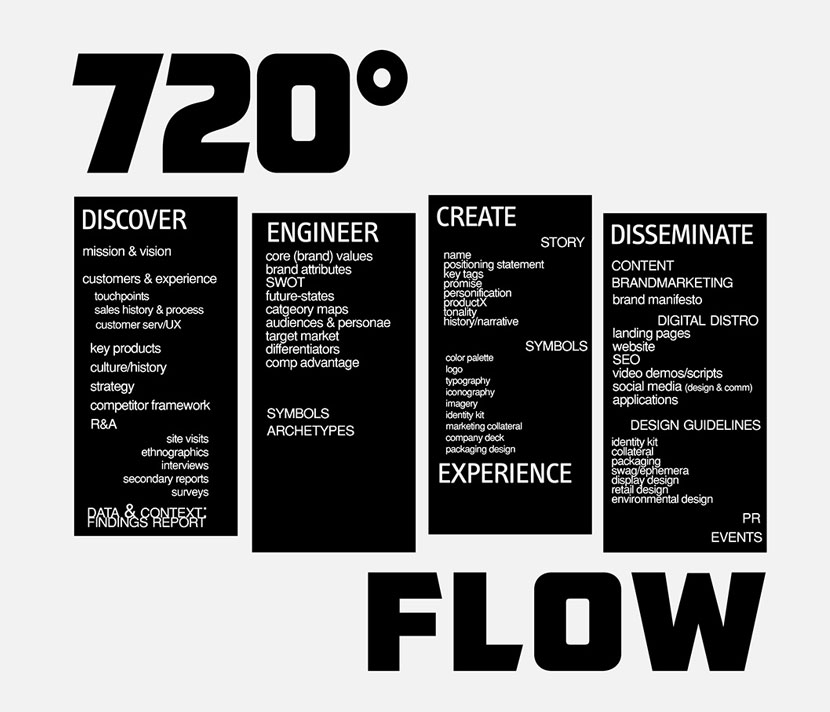
After collecting our own infographics, client POVs, internal training, and special course work materials from the last decade, we found we had what would be a standalone text, at least for graduate level or senior executive audience. Over a year, we finished a simplified curriculum (per the clients’ input) for the online course, and a compilation and integration of our work into a program we call 720° BrandMarketing.
What wasn’t necessary was a new “brand design” book. What was necessary was revealing the practice of real brand engineering, the internals that birthed individuated real, honest, living & compelling brands. But we also had noticed when referencing various texts to students, a frustration in having to conquer multiple related subjects anew to get an operationally complete understanding. So, we also made this the first “end to end” textbook of its kind. One single book that could be referenced to go from idea to discovery to positioning, inside-out brand development, and then creative content brandmarketing digital dissemination to launch.
Sounds ambitious? Compiling our own work took a couple of months. Researching to fill any gaps, adding updated material and creating over 100 infographics for simpler top-down comprehension (audience-specific desired format), to truly be “end-to-end” took another 18 months. We also wanted to make this a text for the new breed of founder-CEO and graduate student, the autodidact and self-reliant learner. Instead of being a text professor’s used to simulate in class with case studies, we included step-by-step instructions on how to develop and implement over 30 related skills at a professional level. Inspired by our own internal use of checklists and process maps we’d created to help operationalize core processes in our own client and company lead positions. We’d shared some of these individual guides with clients and students in the past, so compiling them all into one systematic total implementation guide was the logical extension for the book.

…is to provide one single core text for the 21st and 22nd centuries to be referenceable for advanced students in graduate programs, from business to marketing to design and product development to be able to both learn and do from discovery and psychological uncovering and behavioral tracing through brand engineering, identity design, and then into launching their own global brands through digital distribution. The premises of marketing, built upon those of human psychology and social and perceptual psychology have not changed in the last 100 years, but markets and channels have, so we condensed the framing models for marketing as well as the planning tools, adding new tactics for today we’ve found to work in a global digital space. As any readers with any exposure to neuromarketing will see, a significant portion of “brandmarketing” is neuromarketing and we’re simply bringing both practices together and creating integrative mental models for one holistic and powerful view for both those ambitious graduate students that need to be prepared for all related challenges today in a hyper-competitive (now creative) knowledge work market, but also for CMOs, CBOs, CPOs, and even CEOs that know at least intuitively they’re losing precious time and collaborative power in knowledge gaps and having separate conversations with leaders in their own organizational silos about the same thing from a different facet. For them, this text can be seen as a Rosetta Stone of brandmarketing, a single lexicon, to scale that intellectual tower of Babel.
(and one short guy with a giant ego—er, mind)
…having always had one foot in the brand innovation and visual design world and the other in strategic management and product and technical innovation world, we’ve been fortunate to have stellar professors, teachers, and mentors in every discipline covered in the book.
While a good portion of the material is filling the gaps or connecting one discipline to another through conciliatory text and graphics, this is not to say this is 1000 pages of from-scratch thought. There are several “original sources” from graduate school professors and professional mentors (at Goodby Silverstein, Think, and Landor and Associates), as well as colleagues and in-life mentors and guides, some of who’ve contributed with updates to their work. Instead of listing names in text, below are images of either person or their key book. Yep, we’ve more plugs than Burt Reynolds’ forehead.

This book was inspired from close to 20 years working in branded marketing, brand design, what we call brand engineering, and also the manufacturers and marketers that benefitted from both advanced brand engineering and design work, our colleagues and conversations with them and with the clients — most of who were brilliant and articulate in their own right, but for whom a tower of babel always blocked initial productivity. It is also inspired from students and staff we’ve had the privilege to teach and learn from at the same time. These are seven things we want to accomplish through this book:
-
Creating a single lexicon that can be used by all stakeholders in marketing and branding to discuss the essential/atomic concepts that exist in both domains, but previously have been relabeled for each, or mislabeled as the same.
- Eliminating unnecessary noise — either from contemporary web marketers posing as either marketing or branding expert, misrepresenting core concepts either through lack of understanding or in an attempt to simplify concepts as “hacks,” but simplifying to the point of removing essentials necessary to true or comprehensive understanding. Removing obfuscating language around important but relatively simple core ideas and concepts that should be available to anyone interested, not just those inside the ivory tower through codifying knowledge for their own use. Ultimately, this is done so that anyone new to branding or marketing can more easily learn not just the basics, but what we believe is the broader operative framework more quickly and efficiently from the start without having to hunt and peck from multiple, often contradictory sources.
- comprehensive and integrative framework from previously specialized or separate domains, which already have 40% of the same knowledge area overlap. Both for reducing redundancy, but also to allow anyone reading this book to have a holistic and usable single framework for clearer perception of underlying structures, regardless of their domain of implementation.
- Contemporizing traditional examples to show their practicality in today’s brandmarketing world, specifically with a bias towards the digital entrepreneur.
- Showing both how to use digital marketing (uniquely) also as a new brand dissemination vehicle, while increasing the effectiveness of the underlying marketing (and sales).
- Introducing the most meaningful yet underexposed component of branding, to reveal how honest yet powerful real brands have to be when performed well, but also to explain and reveal the “invisible” core that must be built before designing brand identity, which many highly intuitive consumers can identify when missing, but without being able to articulate except by shutting their wallets and minds. As this has yet to be properly labeled, we label it as “engineering,” to better explain the meta-process alongside “discovery,” and “design” and “implementation.”
- Going beyond knowledge to understanding, and beyond understanding to “doing” by breaking down all major processes into step by step guides, templates, and checklists for the reader. And also creating and visualizing new “integrated” models for understanding as long-term memory references for the reader to take with them to more quickly understand and embed the “whole” of each major topic.
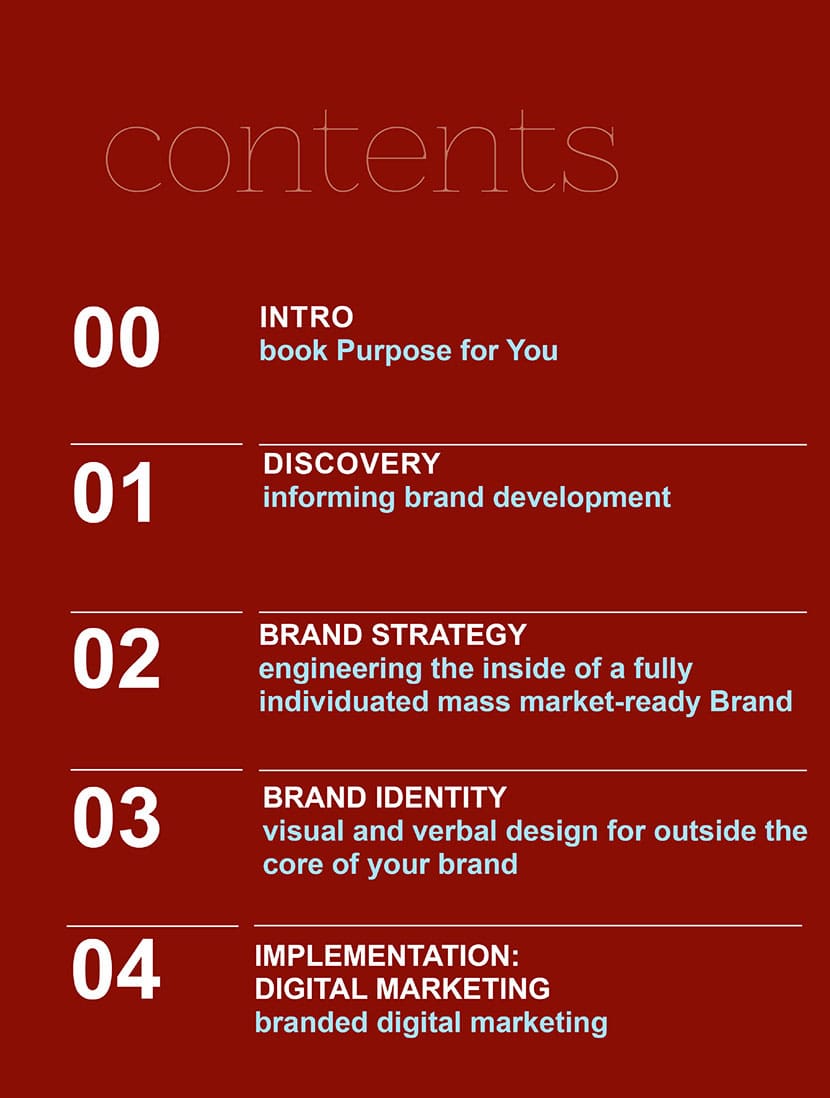
The parts: An overview
(For the quant focused): 720 is the first digital brandmarketing core text and how-to-guide that serves as SIX (+) books in ONE.
- Consumer psychology and advanced discovery/ethnography
- Brand engineering (new!)
- Brand identity design
- (With a focus on the psychology & meaning behind brand design for guidance from non-designer CEOs, CMOs and CBOs vs design techniques themselves)
- Experience 3.0 (Brand experience, customer experience, and user experience unified and methods for planning and measuring)
- Content marketing creation and social strategy and tactics
- Brandmarketing launch tools, methodologies and planning
- (Strategy3)*
*And of course, a conciliatory text that brings together all the components of business, marketing, and brand strategies into one holistic “strategy” text.
All in one book.
(image of overview)

Many trained business and marketing executives are well versed in doing analysis for business planning, and marketing planning, looking at competitive and industry structures, and segmenting customers. Given our training in this area as well, we’ve included these tools. But in addition to consumer insight practices, and developing personae, we’ve taken discovery even further by including behavioral insight tools (admittedly borrowed from product design discovery), and add a layer of ethnographic research before showing a reader how to map out all findings and to perform a combination of (traditional) market positioning as well as brand positioning, the combination that we can Positioning3D.
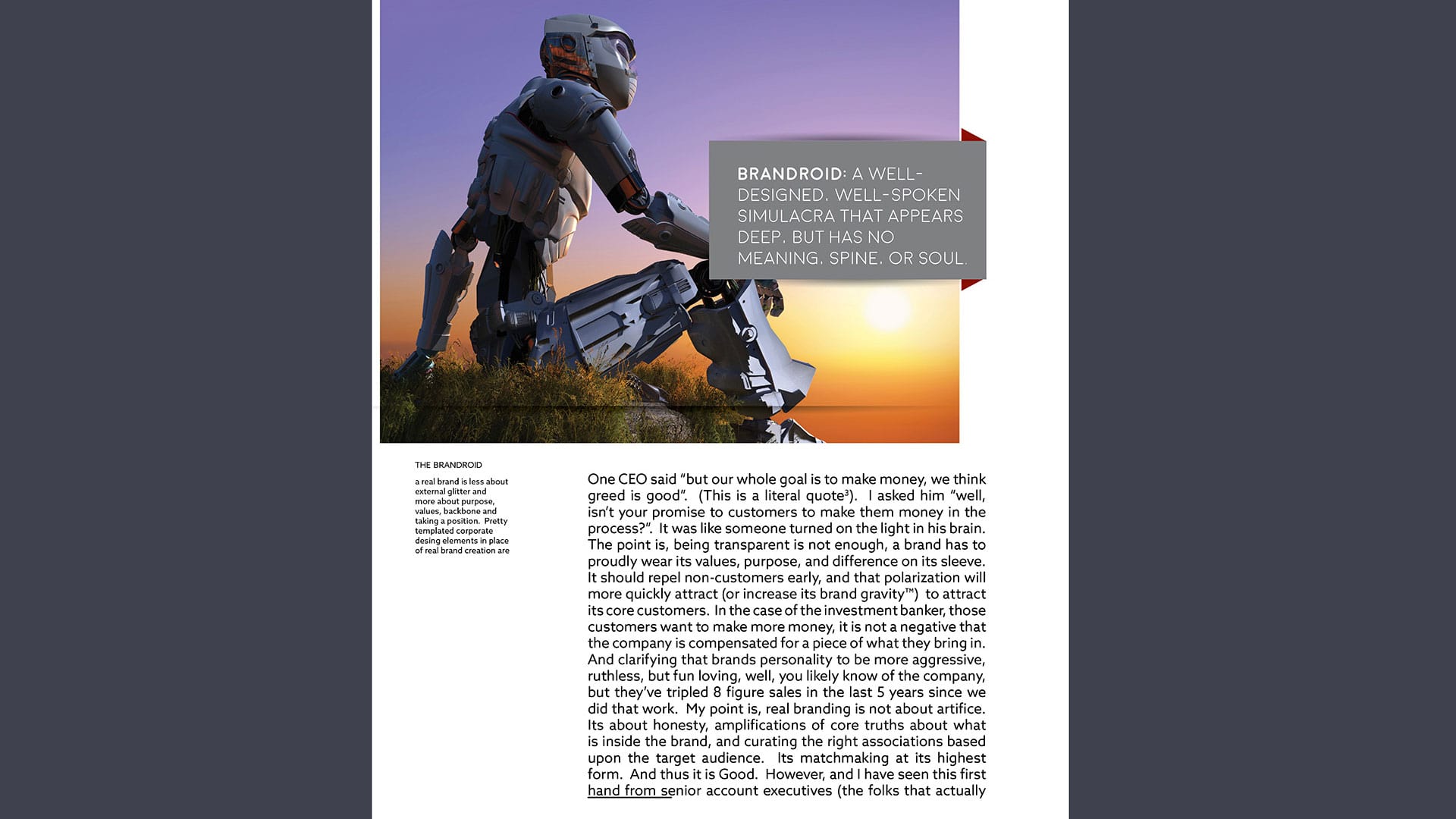



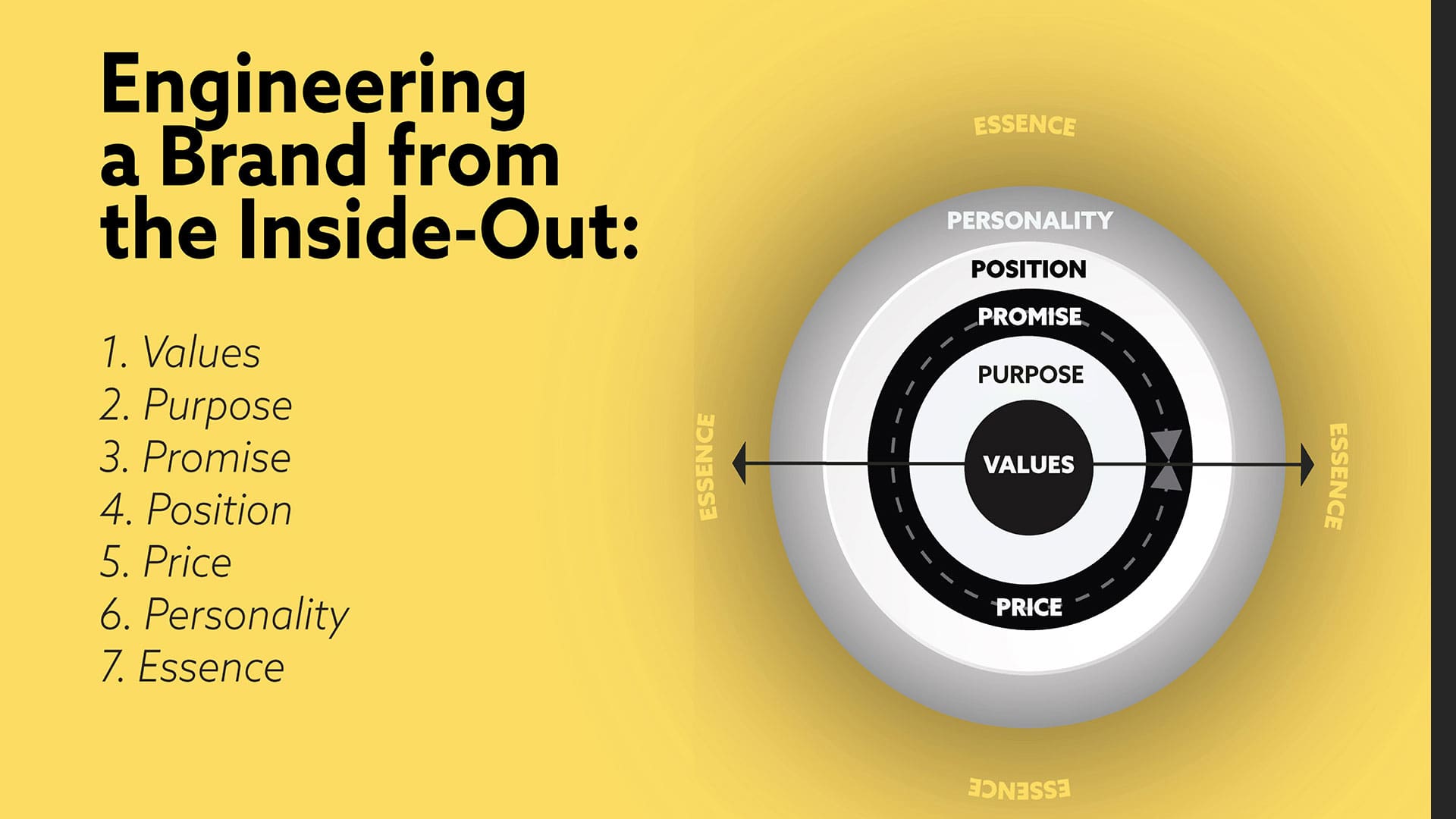
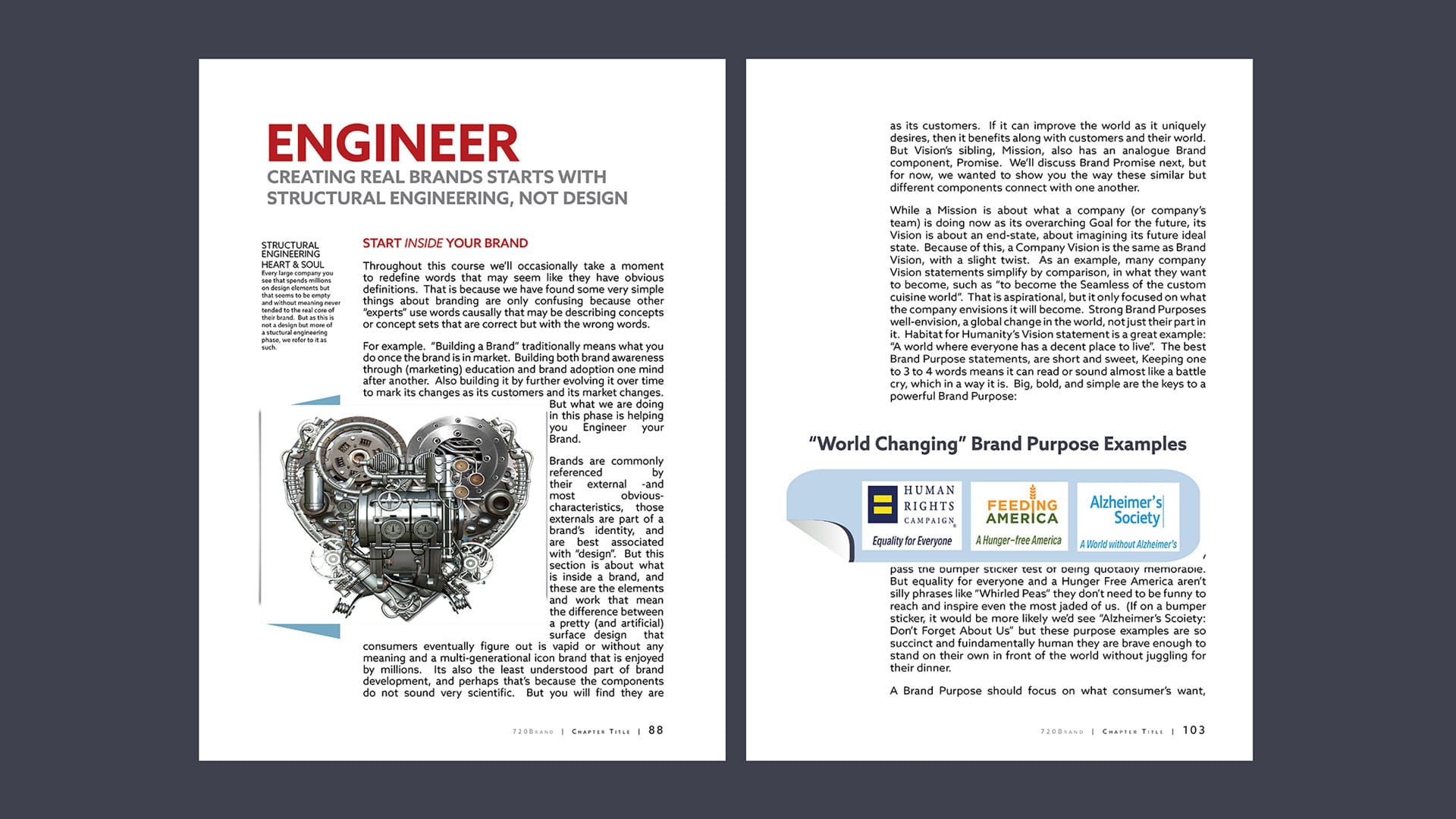
Brand engineering is typically used only by Fortune 100s because they’re the ones that can afford to hire the handful of firms that understand how to do it. Firms we’ve worked with and for. But it is the difference between a living icon brand, and a pretty flash-in-the-pan pseudo brand. It’s based in part on human social psychology and placing the structures to support a free-standing “organism”.
It’s never been publicly discussed, but it is the critical piece missing from many Branimatrons; pretty new brands with no actual meaning or purpose.
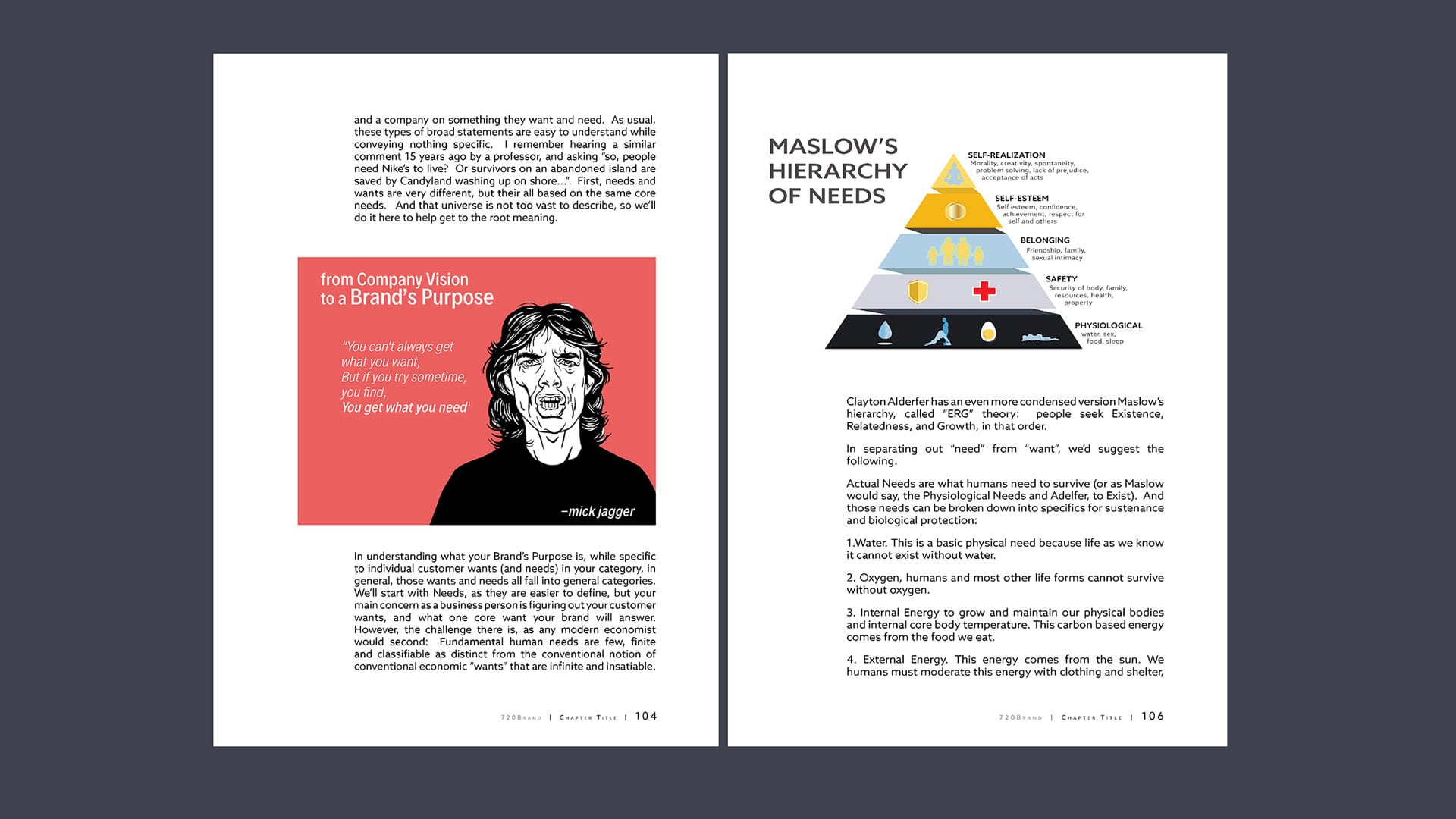

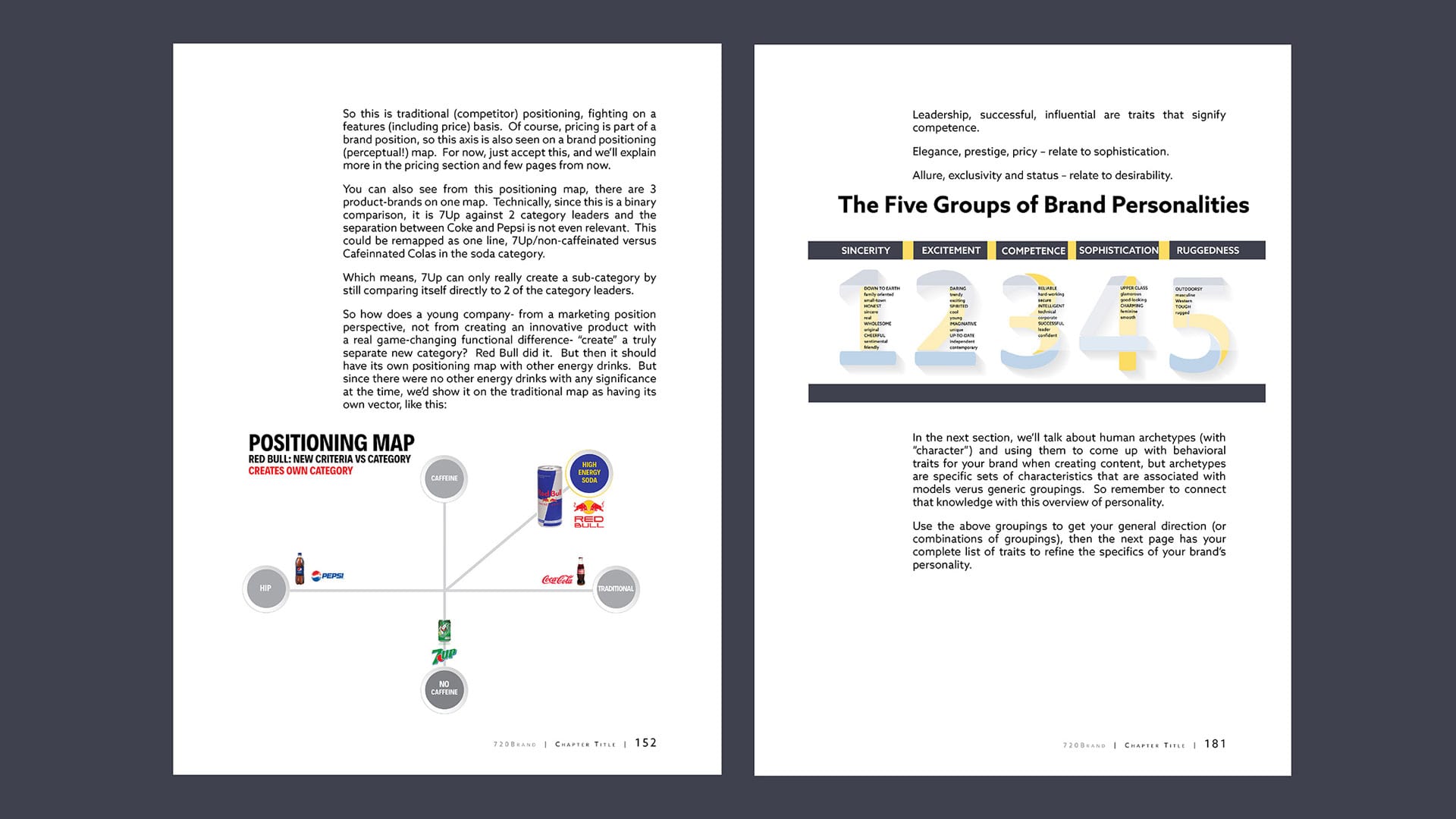
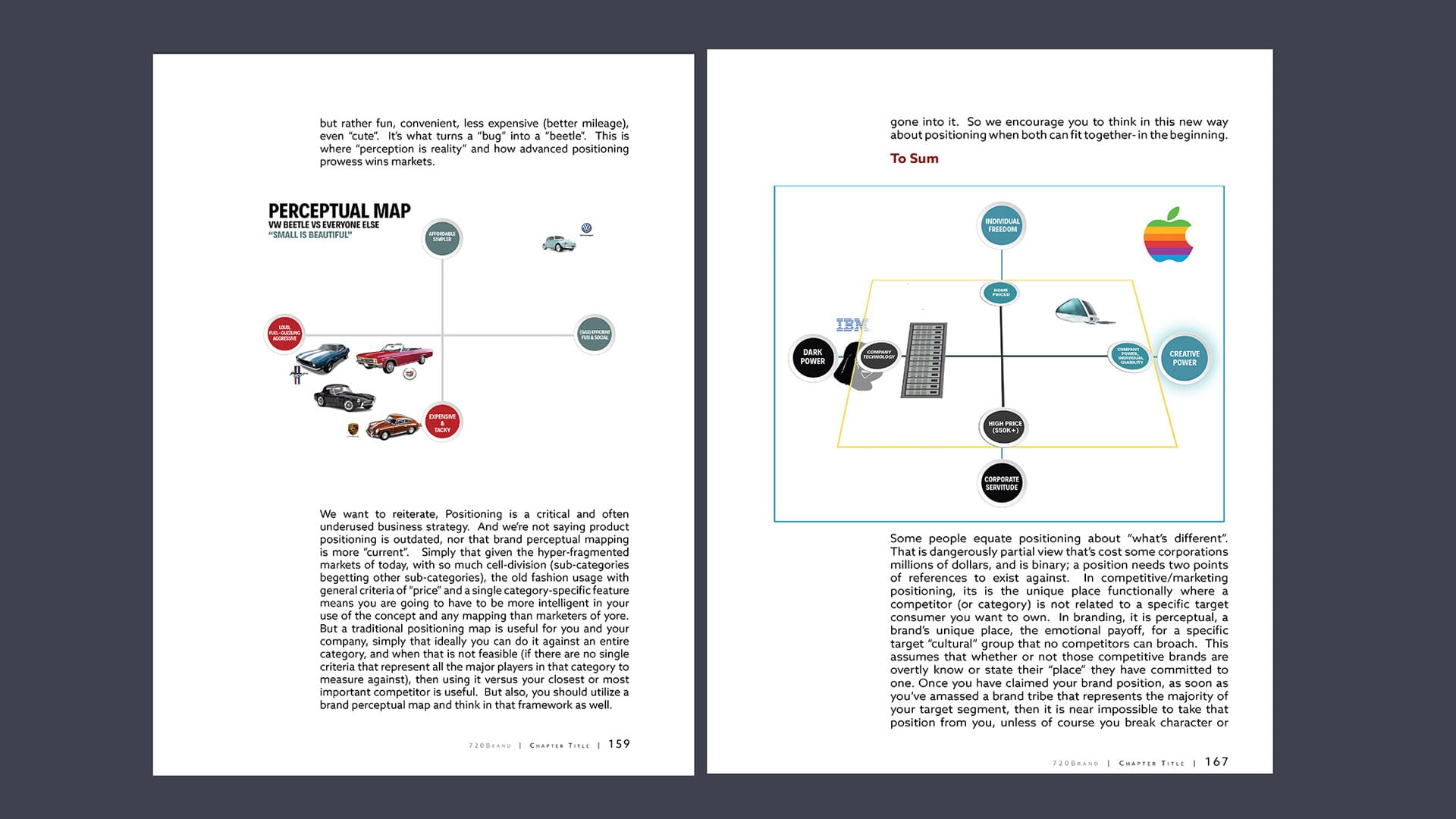
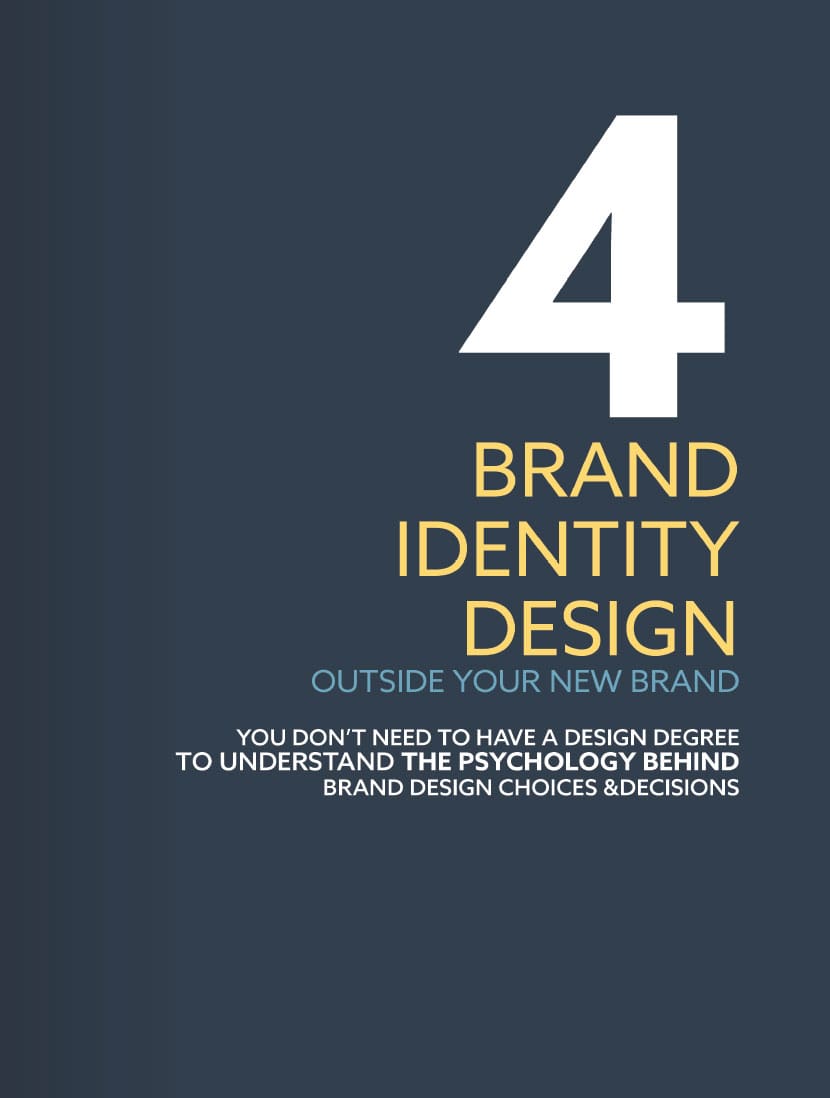
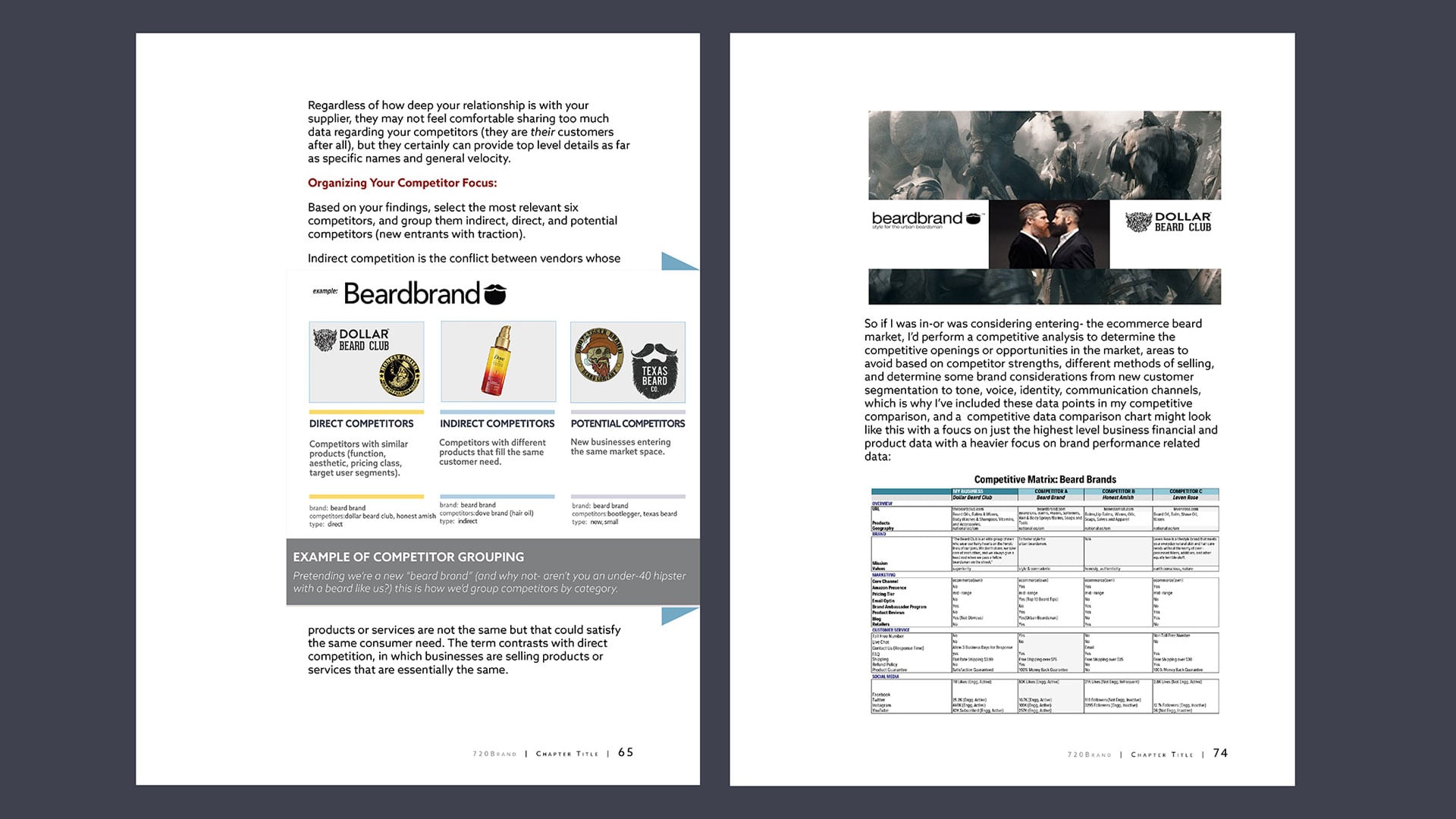
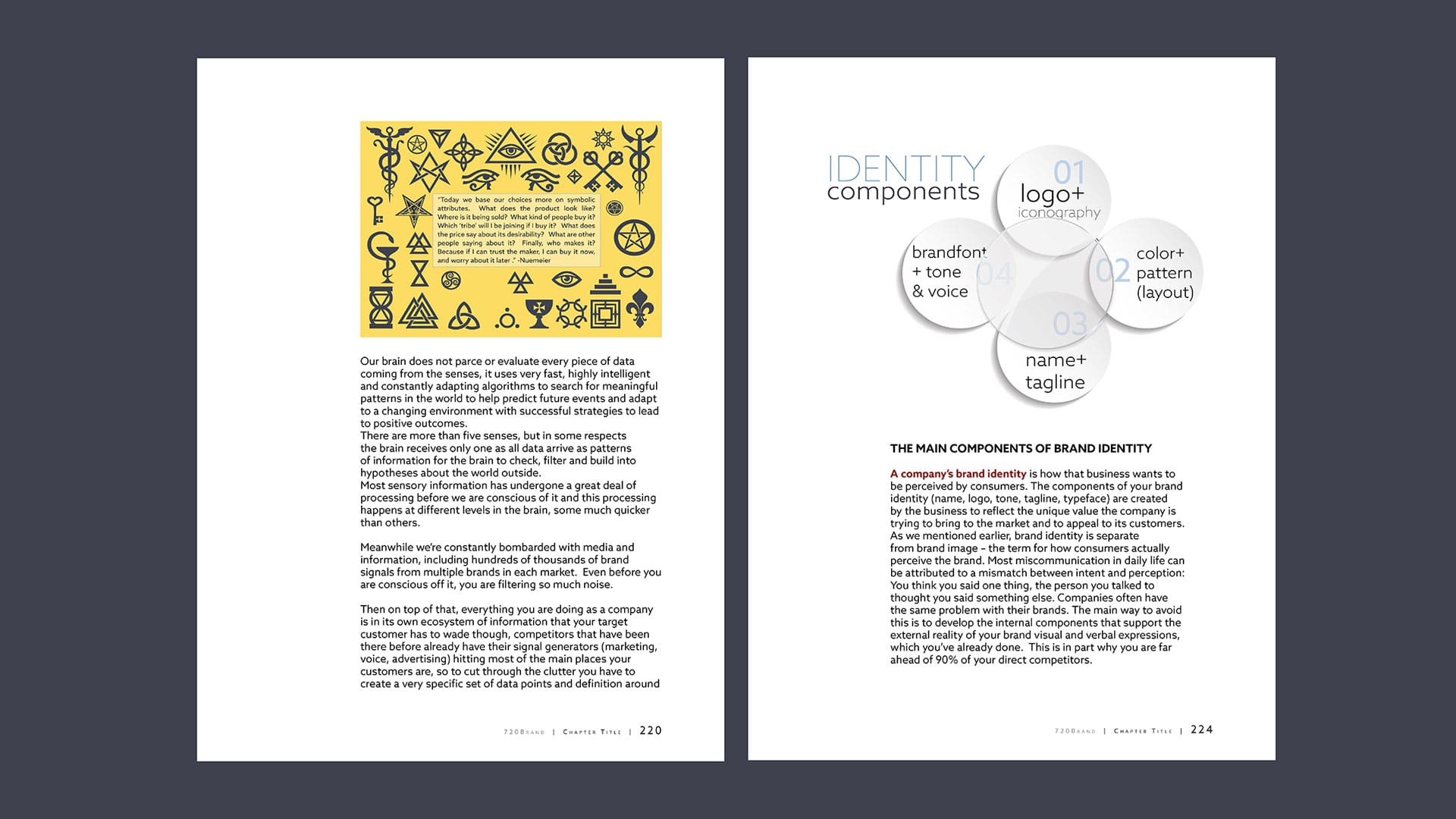
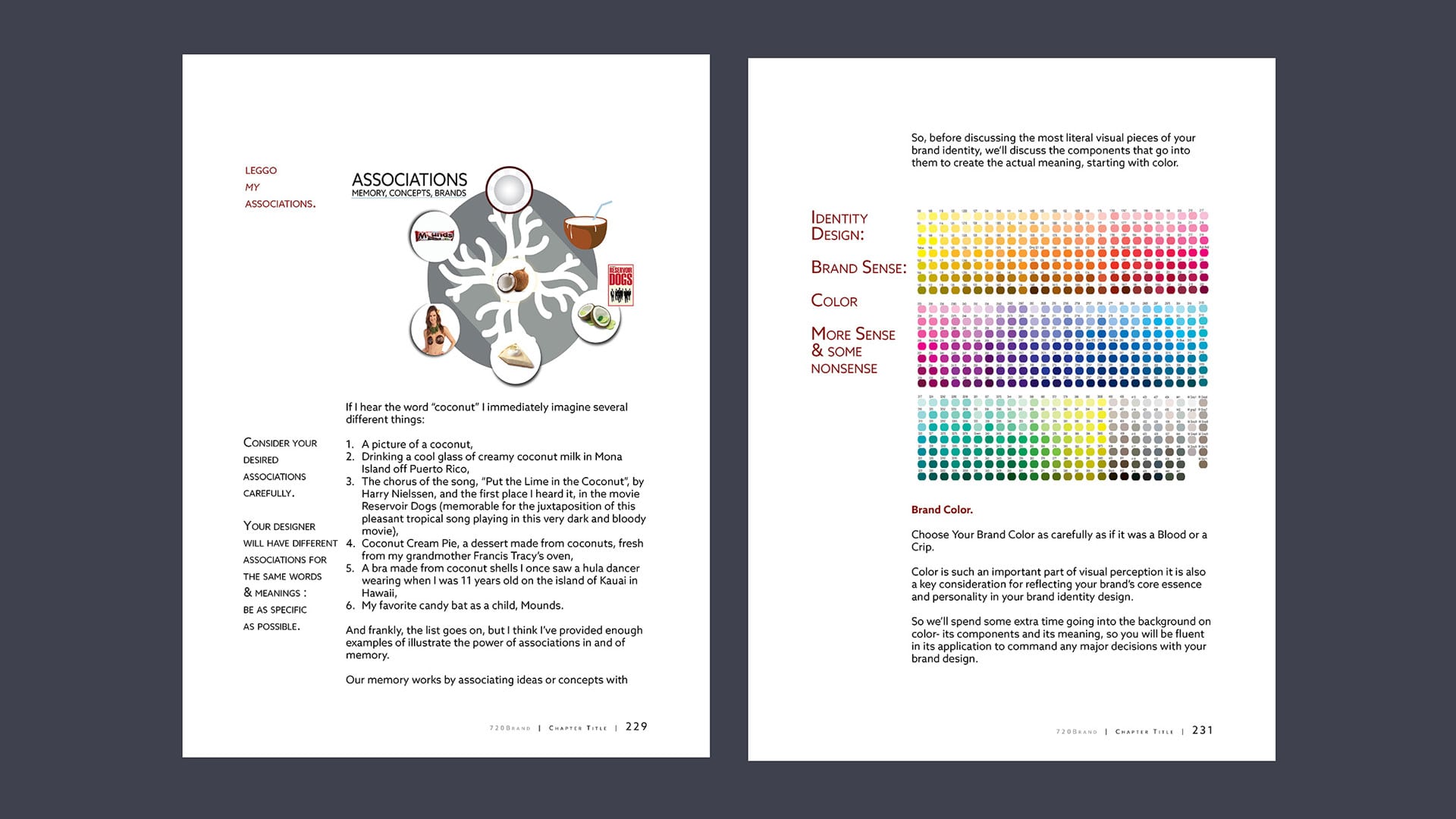
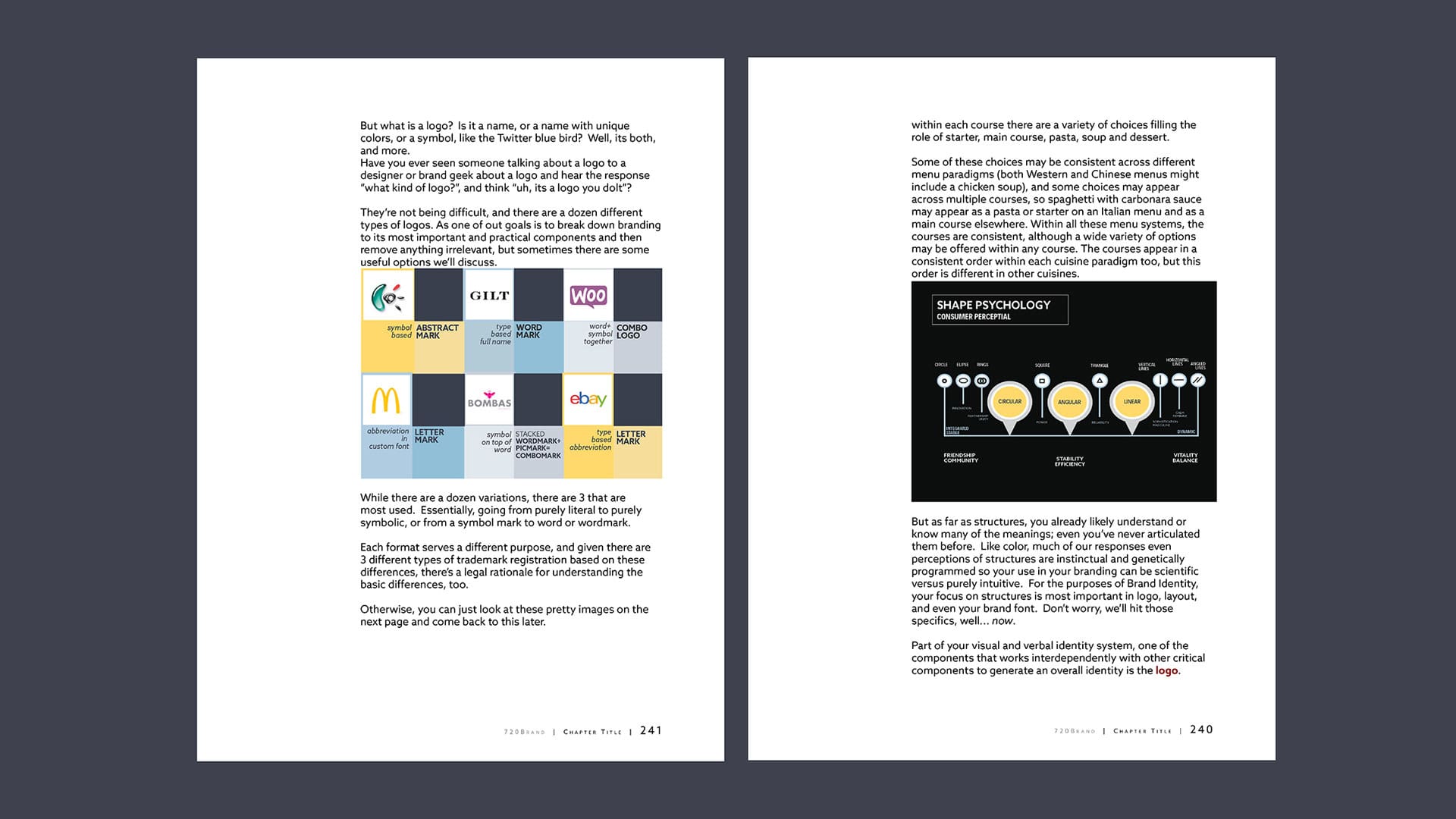
Brand design is something most everyone thinks they understand, because it’s often what we see (or hear), but I’ve found with many client projects that are redoing or renovating what they’ve paid dearly for, it’s not even understood by most freelance designers today. I’ve also, and perhaps that’s because I’ve been trained early on both as a designer and a writer, approached the components as one — both verbal and visual design — which makes it much more logical. However, my goal in the book is not to teach readers how to technically design something, but to understand the meaning behind all the related decisions, from the psychology of color to structures, so they can know more than designers they hire what they need.
But we do two things differently. Having “created” both as copywriters and designers, we are eliminating the division between the two, which is academic and organizationally siloed, but far simplified an understanding of brand “design”, both verbal and visual. While we do provide step-by-step instructions on how to complete any major component, from determining tone of voice and archetypal mapping, to creating compelling digital brandmarketing advertising (even a 100-page insider how-to on creating great brand names), the book is intended to explain the meaning behind design. The meaning of symbols and use of symbols, the psychology behind design choices, to empower any executive to be able to guide a designer or writer, if not pick it up on their own to create stand-out work with meaning.


While part of this book’s intention is to explain the difference between real branding and marketing before demolishing the decision through one brandmarketing text, we’ve included a dedicated section on Experience, that goes beyond Brand Experience, Experiential marketing, while including lesser known User and Customer experience modules, into one unifying text. But then we include a practical experience planning section that integrates and replaces traditional market and media planning while simplifying the process by putting the reader in the shoes of the customer as a planning tool. We also go into new avenues for brand experience, including the latest work in brand realities and virtual reality, and the psychology behind perceptual experience, even down to discussing the semiotics of emoji!
Many execs either associate it with branding in general, or experience design, such as with retail environments like Apple stores. Those components are part of it, but I explain the real meaning and goals behind it, and how to plan and execute brand experience, as well as the differences and overlap of CX, UX, and BX, and a new model having everything managed under BX.


Staring with a smaller book on the fundamentals of marketing itself, things that have never changed as human psychology has not changed, but which seems to be lost to most digital marketers. Then the nuts and bolts of both branded content creation for content marketing, then branded digital marketing through all major platforms, what, why, and how. And a how-to on content marketing from strategy to execution, with guides on creating compelling headlines to creating branded content so good it can be sold separately.
This was the most complex section to integrate and then sequence. In part as we felt we needed to both encapsulate the key tenets of (traditional marketing), and summarize that as a framework first, before then running through its evolution, up to 720 Brandmarketing, which dovetails and thus represents Marketing 5.0. From there, we look at digital marketing as the primary macro-vehicle, and explain an array of tools, that used together can create a “wall of sound” effect for a new brand, and a brandwrapped new product launch. We also explain, functionally, the differences between marketing, product advertising, and brandmarketing which embeds the older two, and provides a user with dual-value outcome at a fraction of the cost for separate brand and marketing efforts as is done now.
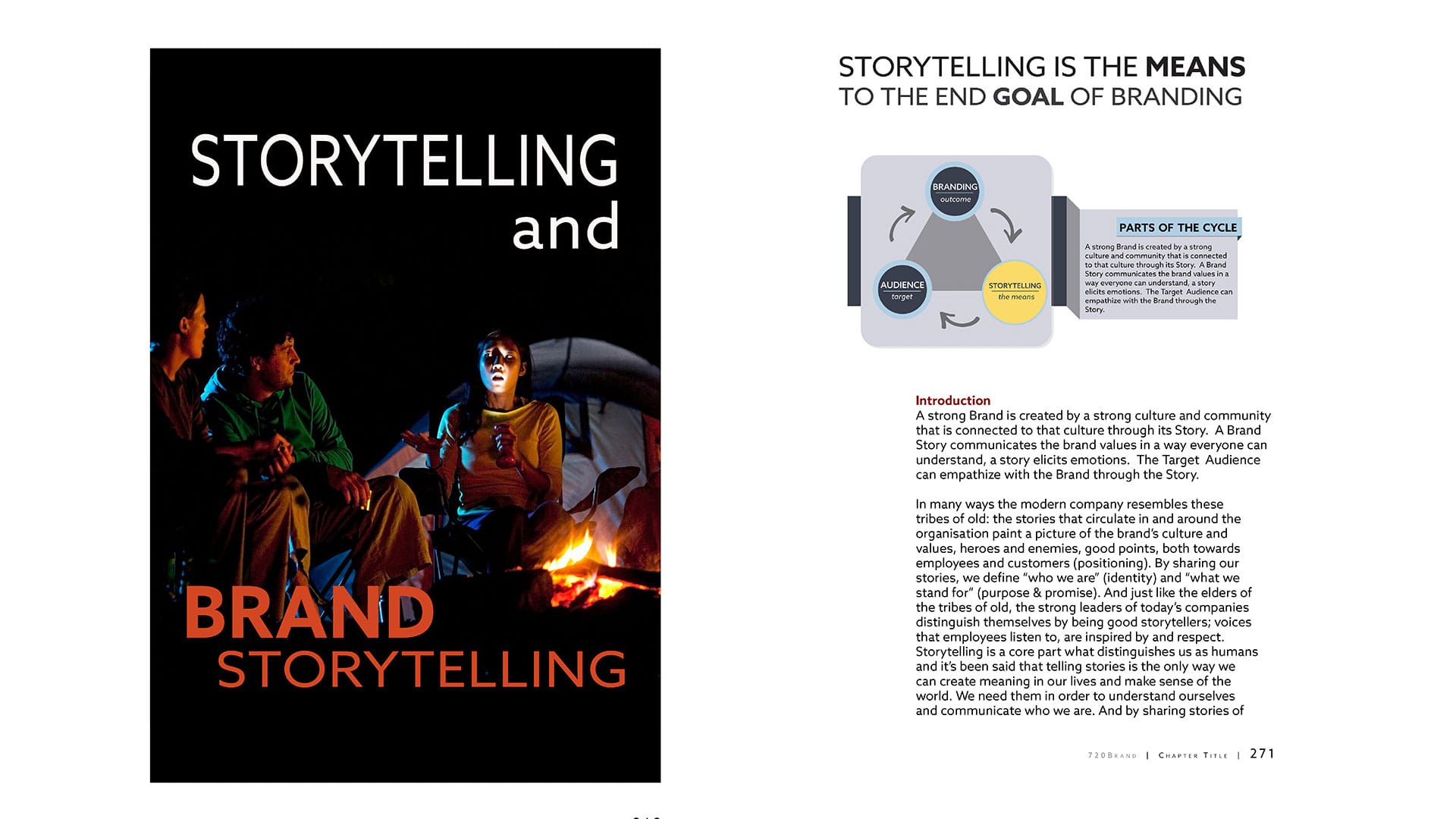


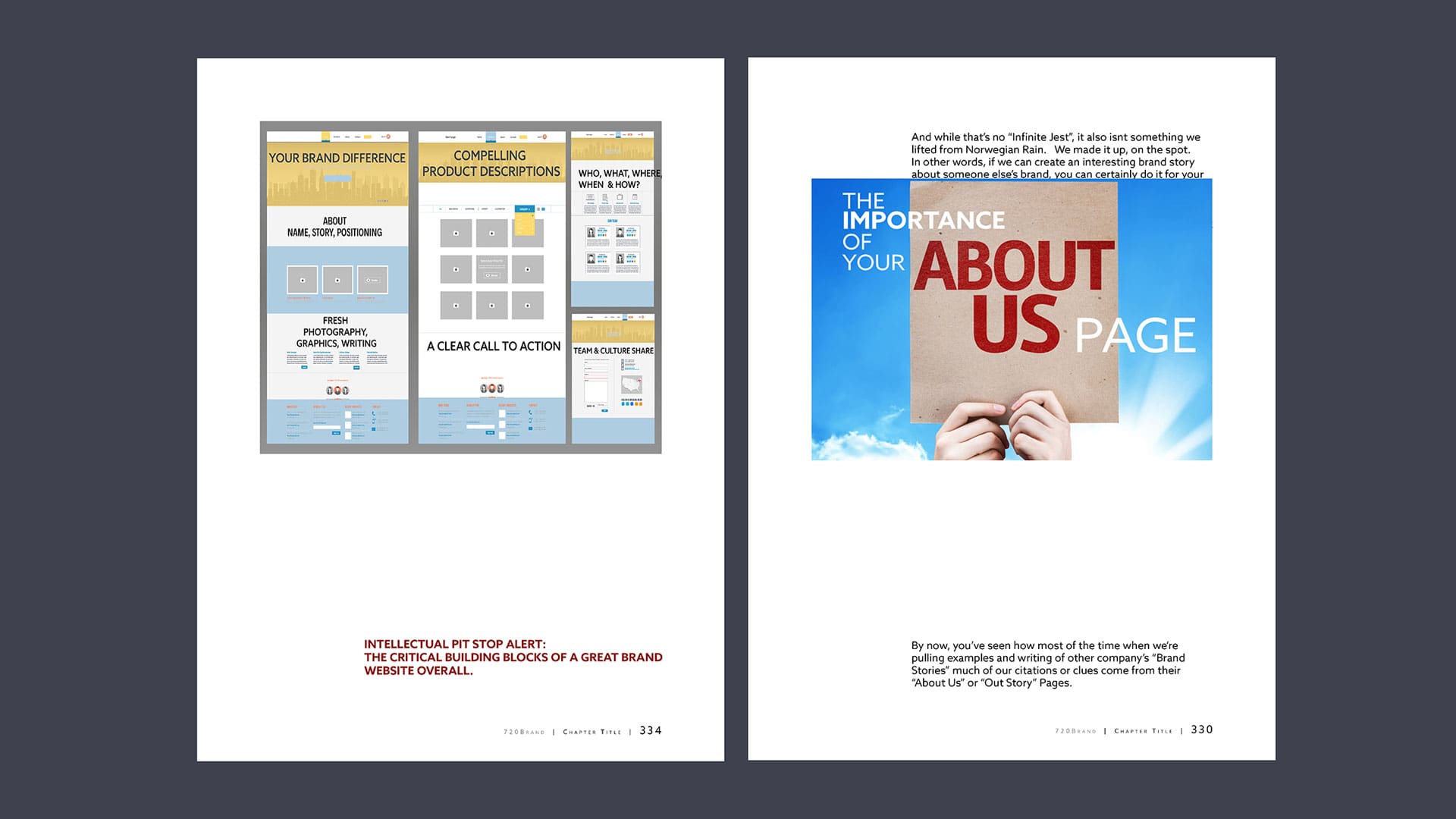
Throughout the book we have standalone modules that are project and task focused, but fit into the larger sections. For example, content marketing intersects both (visual/verbal) design and implementation as a tool. But within content marketing, of course, is video content and several aspects and uses of video. So we’ve put together a planning and how-to for the reader’s own branded video efforts. There are a dozen independent standalone guides embedded throughout the text.

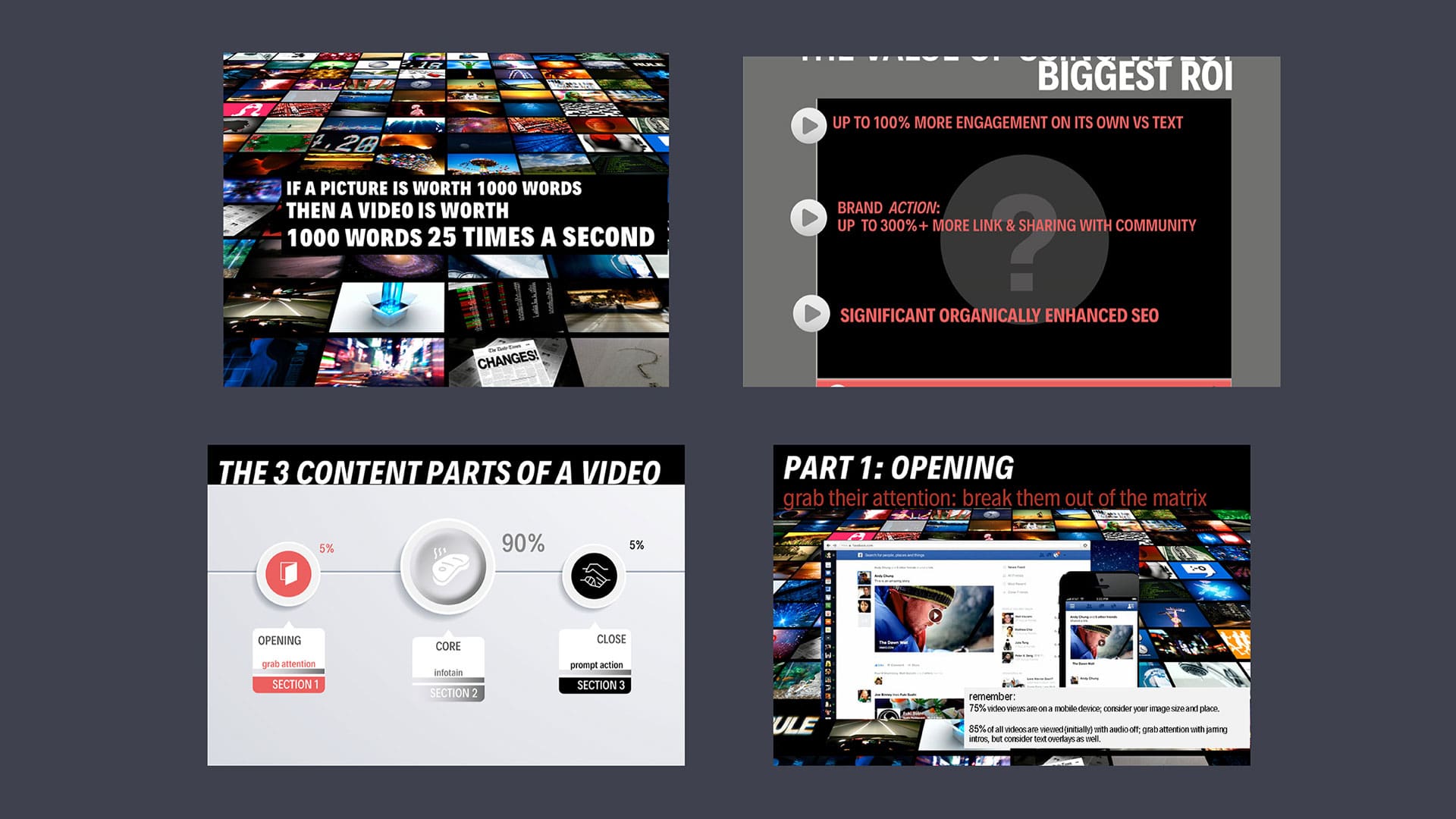

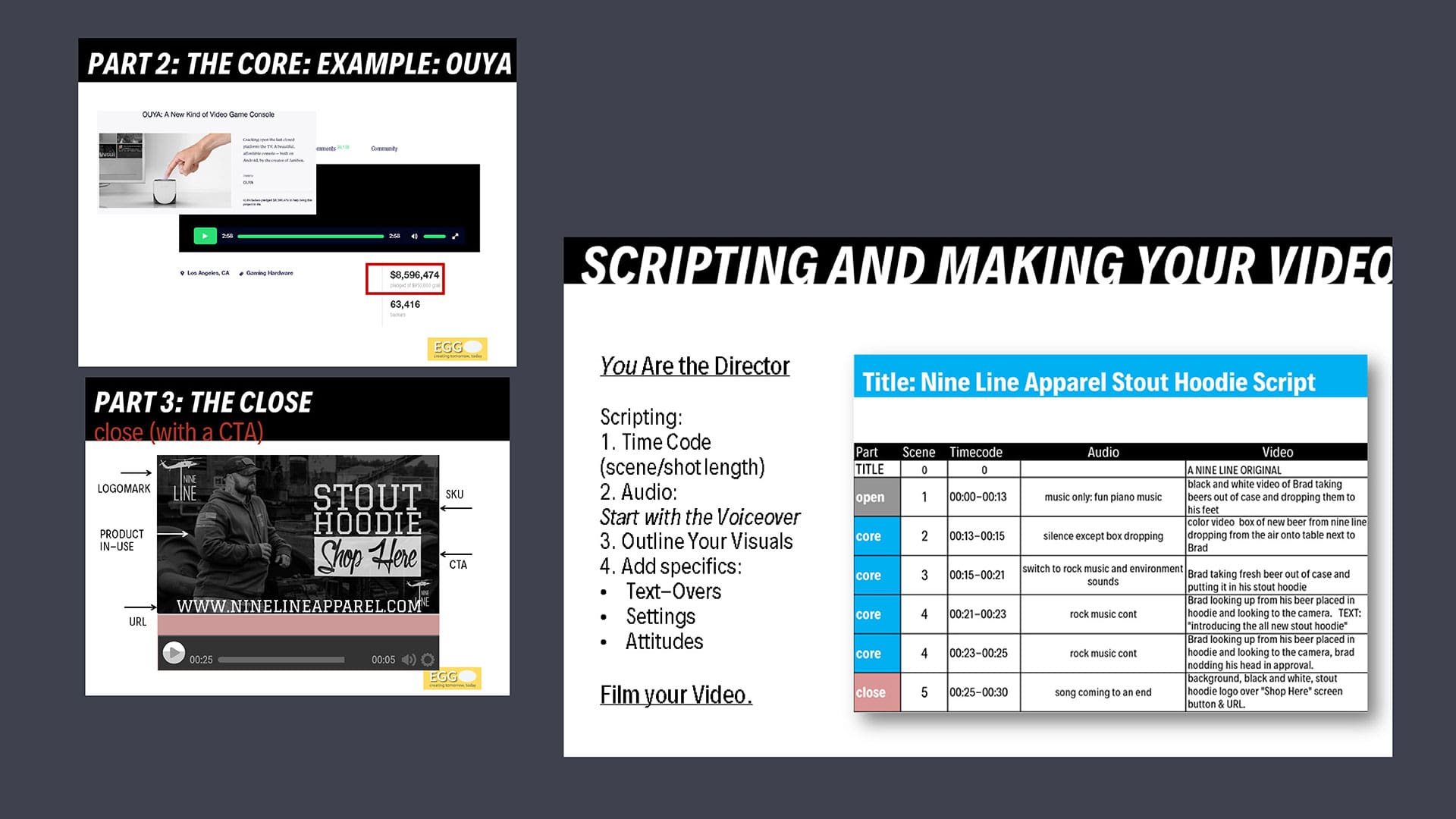
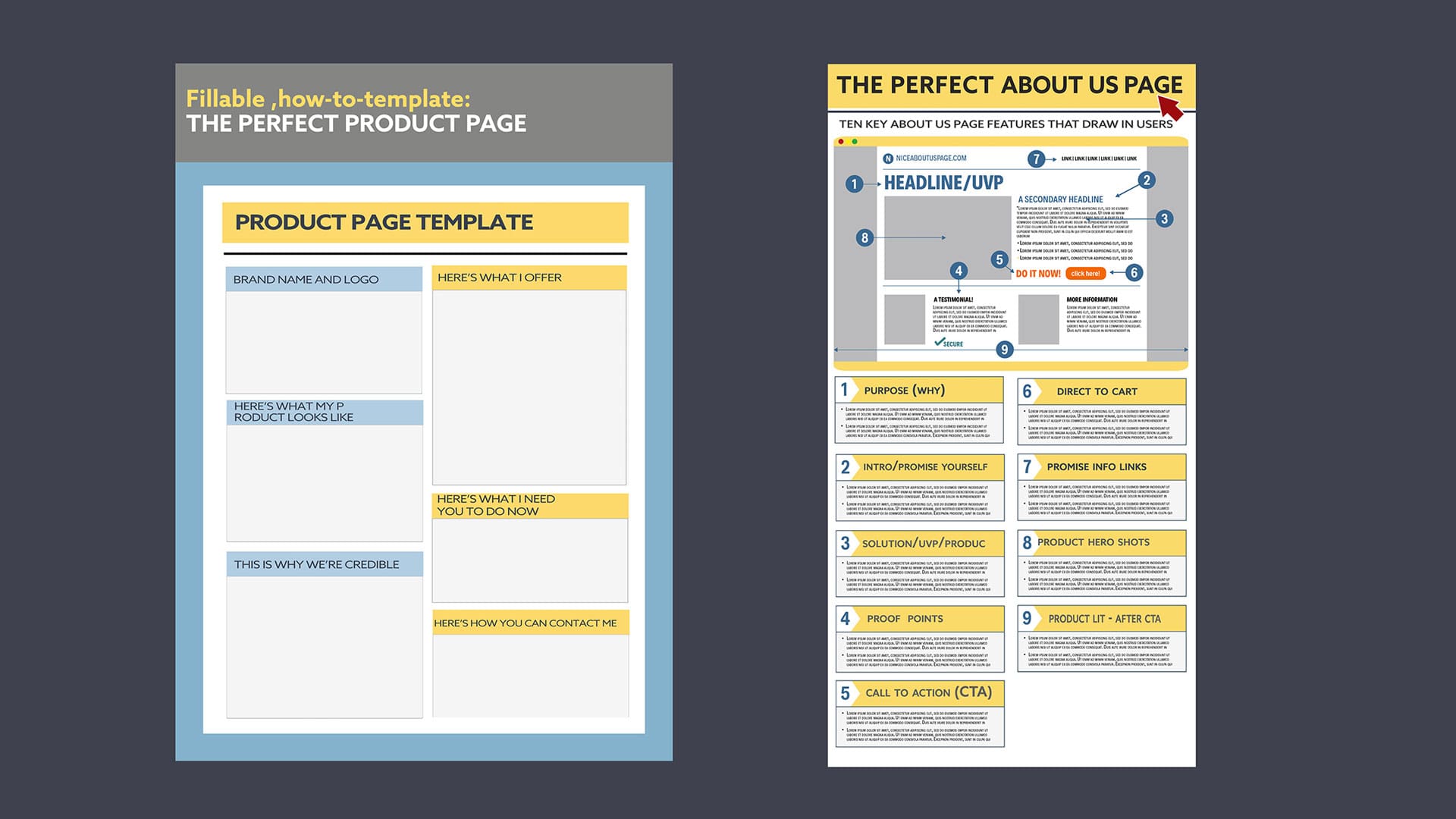
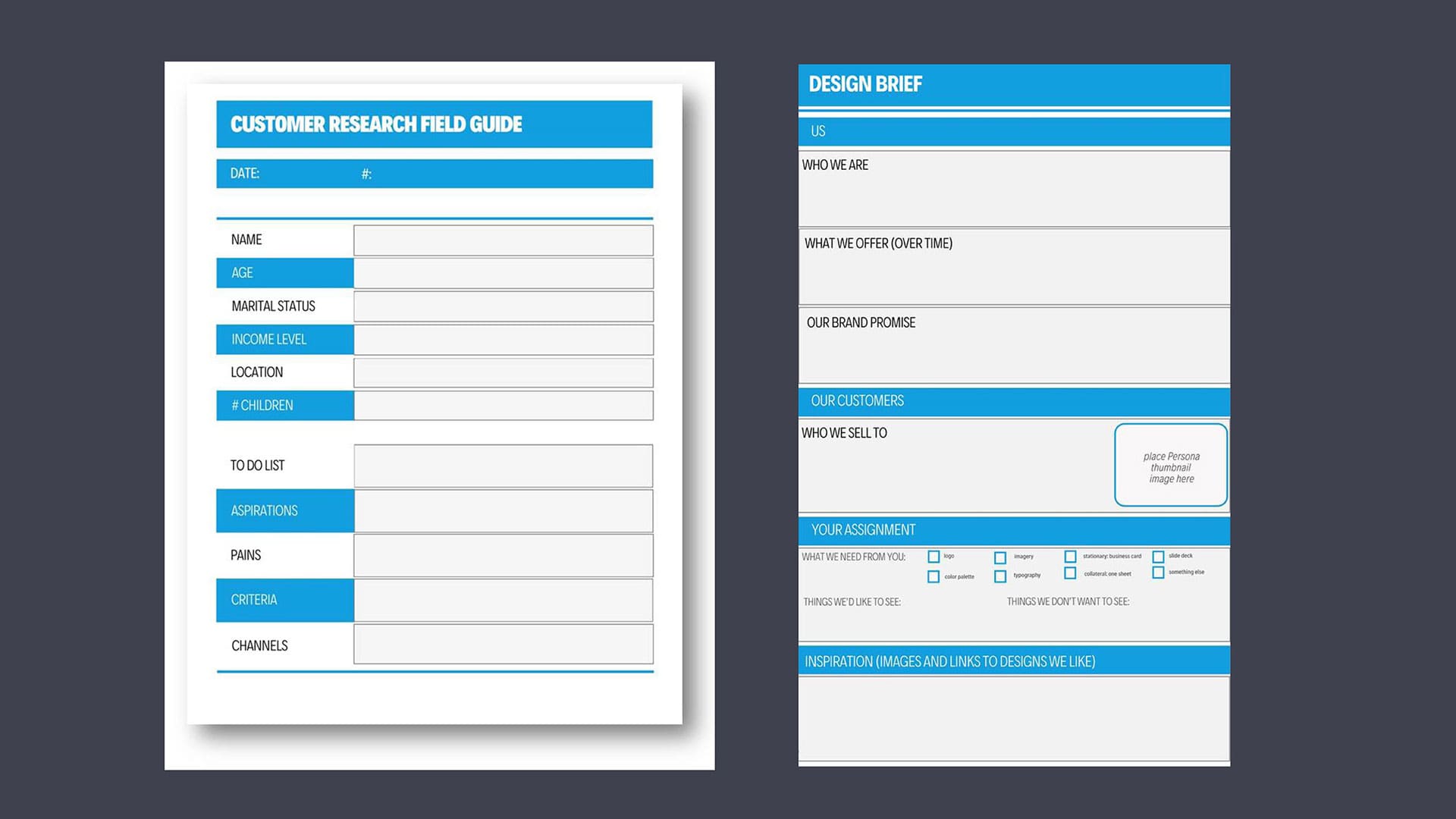
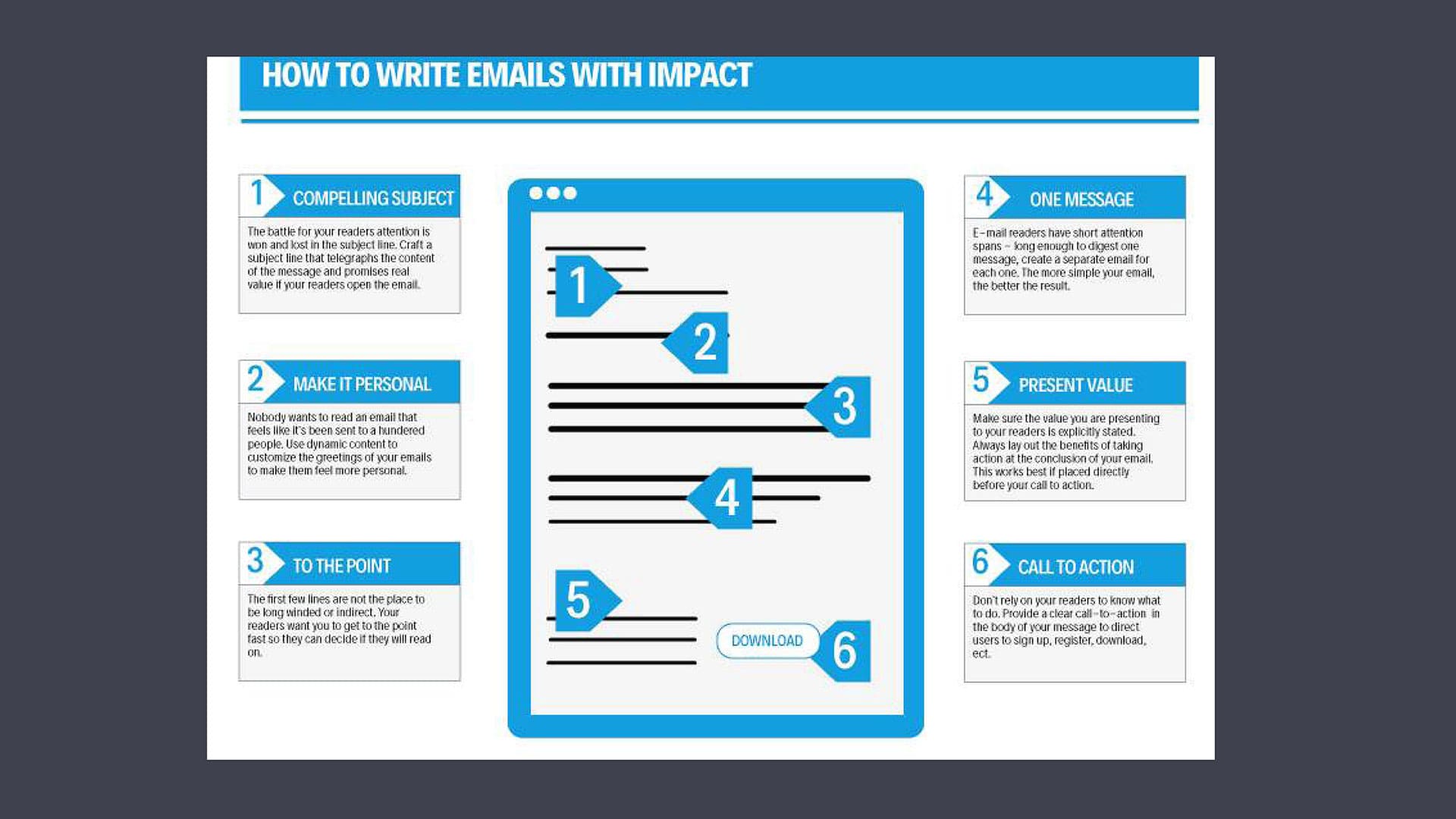
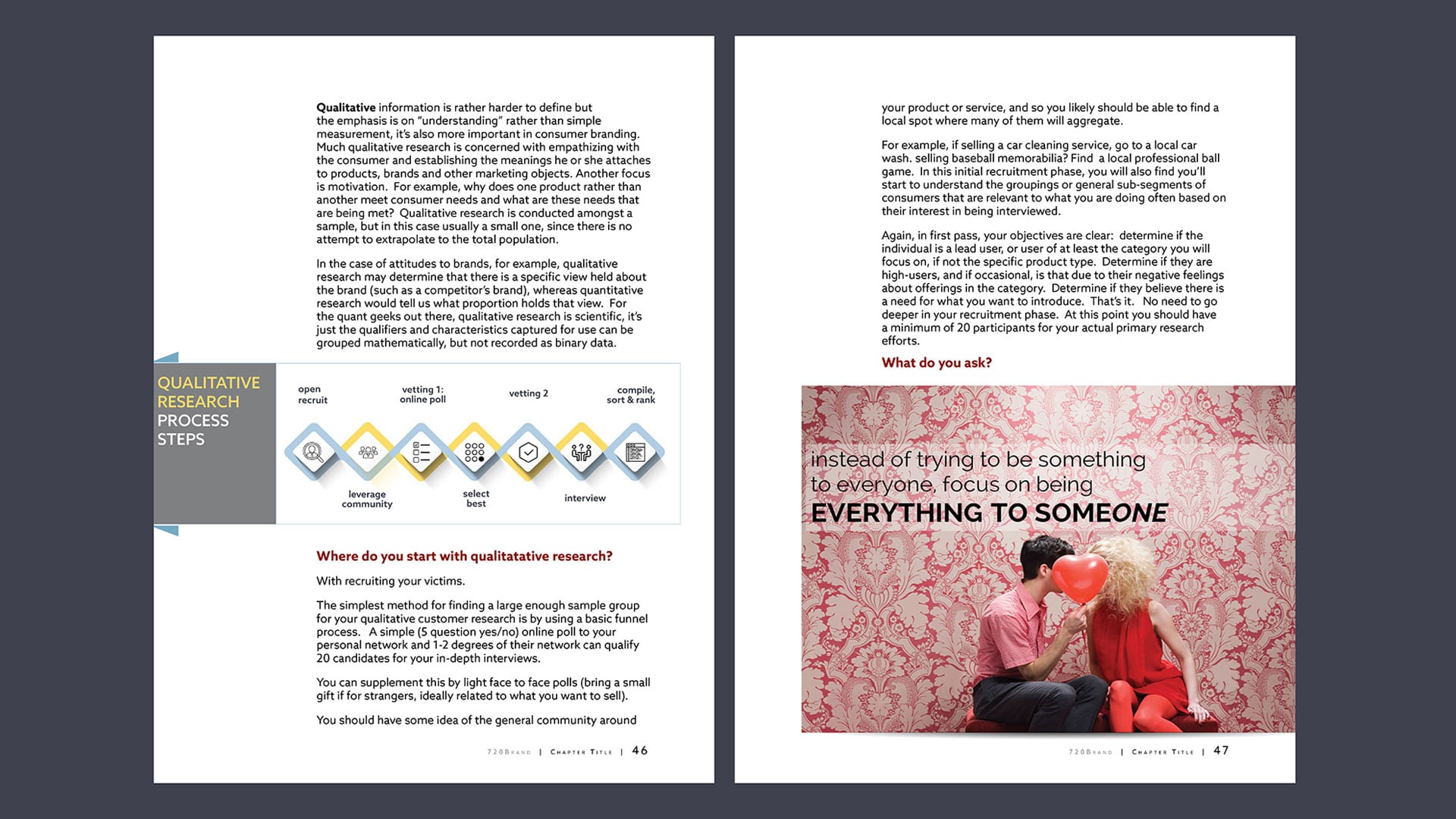
We provide examples, step-by-step templates, and then checklists for learning how to perform every major professional project under the text, from profiling and segmenting individuals, to creating positioning statements, to writing the perfect ad, to making a stand-out branded video, to touchpoint mapping and digital brandmarketing dissemination through social media channels. Each how-to has a top-down infographic “key” so that any user can first see all the steps in one place for reference and comfort, but then every step is referenced in the text before it. All core guides will be available for download by any reader so that they don’t have to recreate or redesign (or cut out) analogue pager guides.