
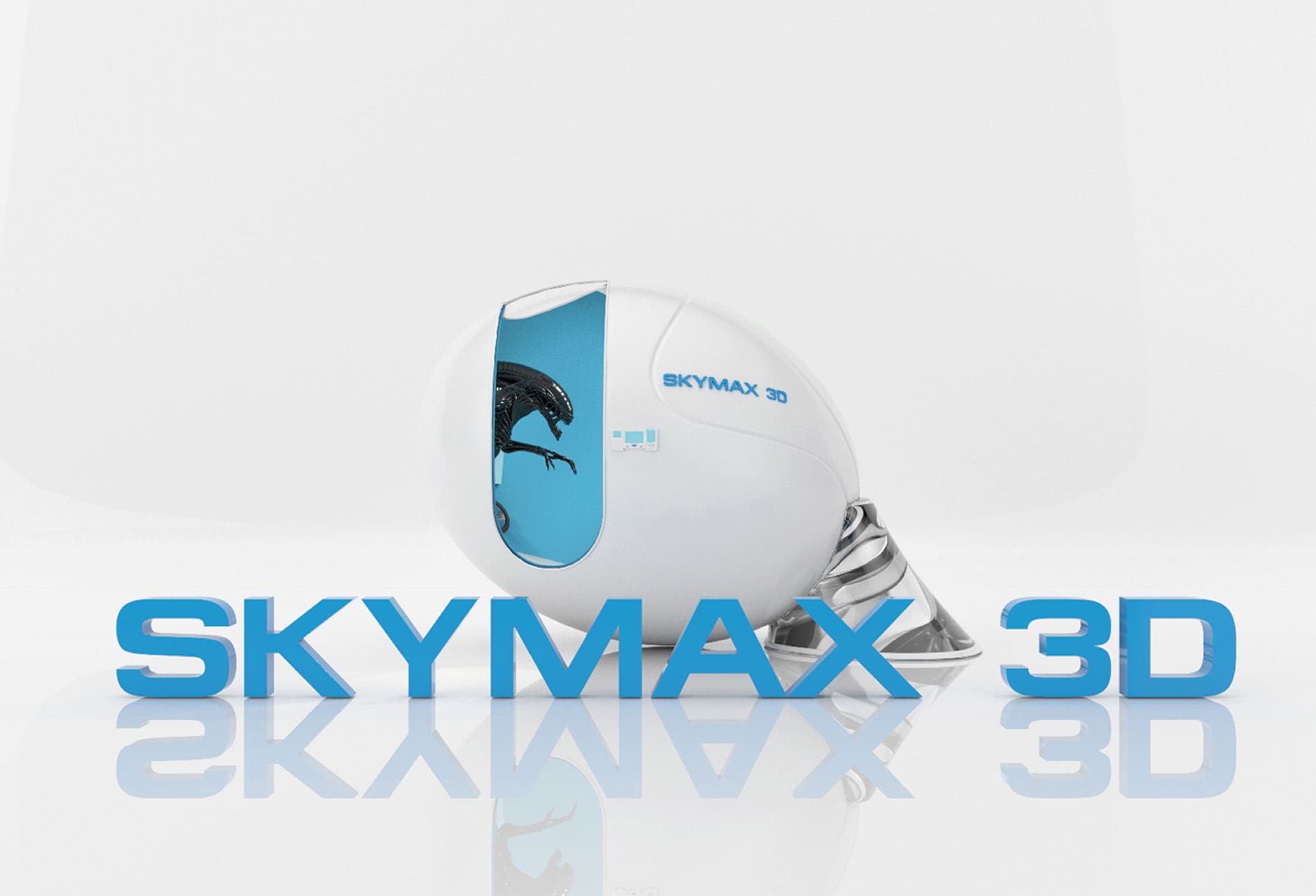
Nullam viverra, mi et dignissim mattis, dolor mi consequat neque, at suscipit magna dui id odio. Quisque neque neque, pulvinar ut posuere et, fringilla quis magna. Morbi pellentesque placerat interdum. Proin id ullamcorper ipsum. Maecenas luctus ultrices sollicitudin. In cursus accumsan lacus, sed luctus elit viverra lobortis. Donec maximus suscipit tempus. Nunc vitae molestie augue.
Lorem ipsum dolor sit amet, consectetur adipiscing elit. Donec mi nisl, tincidunt eget eros in, accumsan luctus est. Proin malesuada bibendum arcu.
Aenean sollicitudin ut dolor in convallis lorem ipsum dolor sit amet, consectetur adipiscing elit. Maecenas a nisl vel leo facilisis mollis quis sed tellus. Phasellus tincidunt blandit quam eu rutrum. Quisque non justo leo. Vestibulum at urna eu augue luctus hendrerit. Morbi eget lacus non tortor lacinia dictum nec a libero.cursus turpis nibh in felis.
Client:
IMAX
While the client had for years been associated with the innovative experience brand in cinema, revenue-per-screen had been falling year after year, though expansion into China had continued to keeping incremental growth on path for the last few years as it approached $300 million in gross annual revenues. Never to rest on their laurels, the company was investing ahead, and looking for new brand innovation and product innovation opportunities. However, we did not see the core issue with “business saturation” in large format theaters across the globe, but rather in the bigger split-shift to more personalized all-inclusive “theaters” for large-scale group viewing, and moreso the shift to own-device usage for personal movie and video viewing coupled with new AR/VR mediated media desires for nextgen consumers. But there was another adjacent trend and unexploited space we saw, with some new technology, the client could enter and own for their next phase of growth….
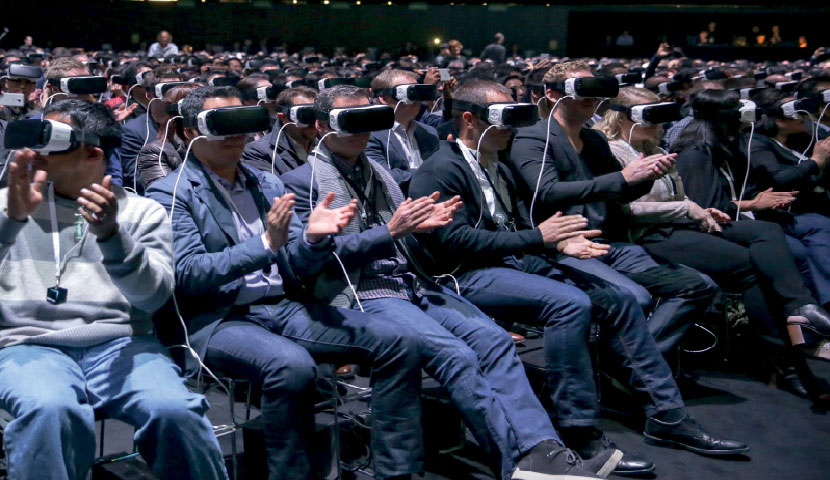
We first eliminated the assumption that the brand experience had to be in a large tradition format to provide a unique and immersive experience that cocooned users from the outside world and transported while physically being in semi-luxurious repose.
… And found inspiration in an area packed with higher-discretionary income users, high-stress use-location, and increasing pockets of “down time” ripe for enjoying the “Calgon” effect of the brand’s adventure escape promise: airports. While North America still focused on using member lounges as a tertiary revenue source (or loyalty enhancement mechanism) for high-usage airline brand loyalists, more innovative airports in Asia and Europe had started implementing temporary personal relaxation spaces, from small personal cabins in Narita to shower rooms and suites in Europe. New personal suites in Atlanta, GA had recently been installed, and at $40 an hour, they were already at capacity within the first few months.
Travel used to be fun, “the journey was the destination.” Some people fill time in waiting by watching movies on their phone or laptop. This is often a limited experience, and still “public.” But what if there was a rest area for weary travelers where they could rest, enjoy.
After over 100 one-on-one interviews with frequent business and personal travelers, and our own ethnographic observational and mapping, it was clear there were two segments. One, the often solo business traveler, who wanted several hours alone to recuperate and be “productively anti-social,” with access to news and music for relaxation. And another, often traveling in pairs, or as families in two sets when it came to relaxation, eating, etc.
The average unaided baseline for a fair price for all? $48/hr*.
We completed the industrial and mechano-electrical design (with several of the engineers from the Omnia project for augmented video and audio comps/programming), but then worked back from our core suppliers to find lead brands that were interested in partnering on specific components (and using their last-mile manufacturing engineering and in-house QA as part of the value package to the client).
The pod was full climate…
*If in providing new movies in theaters for…
Initial Design
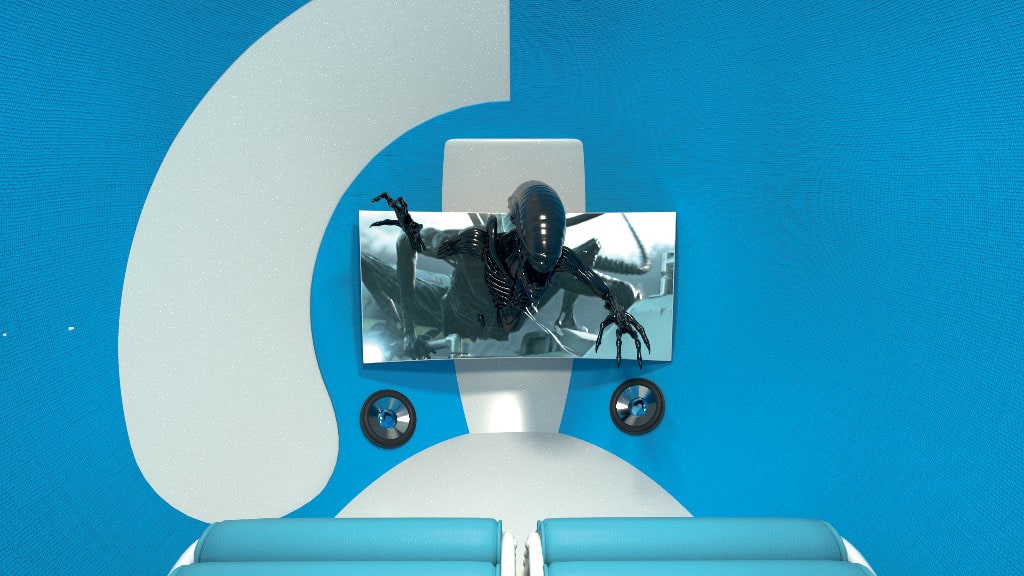
Initial design for prototype used 3D 360 sound with a single large screen vs wrapped HD-OLED wall as both the MVP and for budgetary purposes.
Stable & Safe
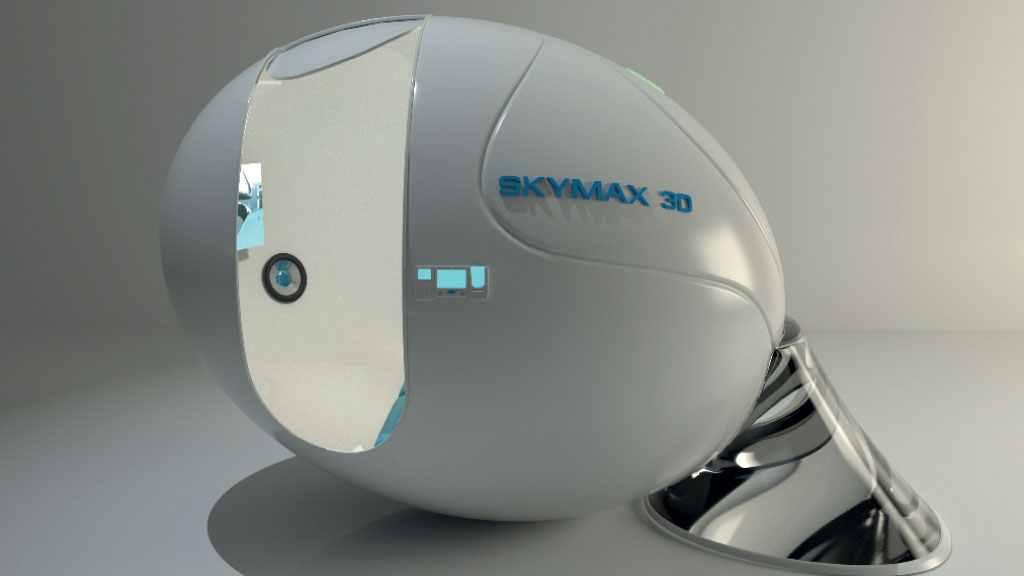
While the weight and balance and hidden flat base of the pod was sufficient to secure the pod, even with any heavy "couples" movement inside, we designed a clear base mount mimicking cephalopoda structures with a polymer blend that provided both support and flexibility. Blow-molding made this was a relatively inexpensive component, adding only 3% cost. The exterior light indicator at the top rear indicated in-use, available, or available soon. The exterior LED panel interface allows customers to book and schedule via phone or chip-card.

Flexible Timing
The exterior light indicator at the top rear indicated usage, with "yellow" indicating 15 minutes remaining, users are reminded with a soft seat vibration at this time, then again at the 5 minute mark for leisurely prep. If the pod has not already been booked for the next time segment, they can also book additional time via the inside control panel.
01 // Live test data
Q1 ’18 live test with advanced prototype in Japan’s Narita Airport. At the equivalent of $50 USD, over a 4-week period, it was booked at 95%+ capacity.
What we did not expect was that it was used in off-hours as a longer-term sleeping pod, though additional data from other locations is necessary to see if this is in part a factor of its location (and consumers already habituated to in-airport sleeping there).
After licensing new technology developed, cross-licensing at 0% pre-existing IP used in our development, the client partnered with our recommended brands on a profit-sharing basis for interior component manufacturing.

02 // The final cost based on 2K minimums at set-up:
$43,500 delivered (non-wrap)
Estimated $1.5K annual refurb/maintenance
03 // Next
The client has acquired space in over a dozen airports and has indicated an install date of Q2 2019.
We do not know the specific units per location, but if using traditionally vacant but usable block space near lounges in international terminals (10 units per block, 1 set per airport) and if hitting similar usage numbers as the original test, without considering FX variations, year one operational revenue:
12 sites / set average units per, 12 months x average capacity:
- $57,521,664 gross
- $52,109,113 operational profit
At 1% penetration in the U.S. alone, Skymax could represent over $524 million in new revenues for the company, close to doubling their current total company revenues.
Special thanks
Special thanks go to the core Chi-team, always there for input or decision-making, but also to Innum for multi-month-long under-wrap sprints and for having the bravery to allow us to explore such a sphere (that planned?) of action.
Plus, being so generous with development costs ahead of each stage proved the “speed of trust.” And yes, perhaps cost-plus means “innovation” simply looks inexpensive to mega corps, but still… it is much appreciated.
